Bringing classic opera into everyday life, letting beautiful melodies nourish the soul.
歌剧,是音乐、文学、戏剧与舞台艺术的融合;咏叹调,则是其中最动人的表达方式。一段旋律,往往承载着人物的情感、命运与时代的回声。《咏叹之美》是「声入生活」旗下的经典声乐作品分享系列,精选世界歌剧史上最具代表性、最广为流传的咏叹调,也收录少数同样动人的轻歌剧唱段与艺术歌曲,通过「一首作品、一段故事、一种情感体验」的方式进行赏析与分享。每一篇内容围绕一首经典唱段展开,包括创作背景、音乐特点、经典演唱版本推荐,以及由此引发的情感与人生感悟,让读者在欣赏音乐的同时,也能感受艺术背后的情绪与力量。
Opera is a fusion of music, literature, drama and stage artistry — and the aria is its most moving form of expression, each melody carrying a character's emotion, fate and the echo of an era. The Beauty of Arias is a curated series under Sounds of Life devoted to classic vocal works, drawing chiefly on the most representative and beloved arias in opera history while also including a few equally moving operetta numbers and art songs, explored through "one piece, one story, one emotional experience." Each entry unfolds around a classic piece — its background, musical character, recommended classic recordings, and the reflections it inspires — so readers can feel the emotion and power behind the art while enjoying the music.
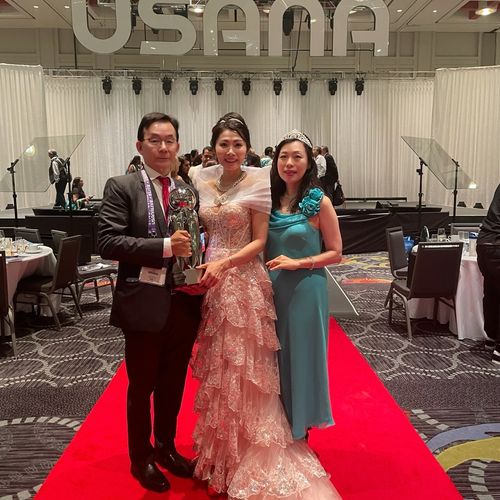
Founder of ZYY Lifestyle, a practitioner of healthy living and a lover of music and art
One classic aria, one opera story, one moment of resonance.
002|《Ah! Mes amis》(啊!我的朋友们)——九个High C的珠峰
分享 →
002 | "Ah! Mes amis" — The Tenor's Mount Everest of Nine High Cs
(出自《军中女郎》)
(From the opera La Fille du Régiment)
聆听经典 · Listen to the Classics
咏叹调简介 · Aria Overview
歌剧名称:《军中女郎》La Fille du Régiment(法语原版;意大利语版本名为《La Figlia del Reggimento》)
作曲家:加埃塔诺·多尼采蒂 Gaetano Donizetti
创作年代:1840年首演于巴黎喜歌剧院
演唱人物:托尼奥(爱上了由法国军团养大的孤女玛丽)
出现的剧情位置:第一幕,托尼奥为追随玛丽主动参军并通过考验,被正式接纳为"未来女婿",欣喜若狂地唱出这首咏叹调
原文语言:法语——多尼采蒂少数用法语而非意大利语写作的歌剧之一。"Ah! mes amis"意为"啊!我的朋友们",是唱词开篇句
Opera: La Fille du Régiment (The Daughter of the Regiment) — originally French; the Italian version is titled La Figlia del Reggimento
Composer: Gaetano Donizetti
Premiered: 1840, at the Opéra-Comique in Paris
Character: Tonio, a tenor in love with Marie, an orphan raised by a French regiment
Where it appears: Act I — Tonio has enlisted to be near Marie and just passed the soldiers' test; formally accepted as her "future husband," he bursts into this joyful aria
Original language: French — one of the few operas Donizetti wrote in French rather than Italian. "Ah! mes amis" ("Ah, my friends") is the opening line.
歌剧故事 · The Opera's Story
玛丽是一群法国士兵在战场上捡回、共同抚养长大的孤女,被全团上下当作"军中的女儿"疼爱,团规规定她将来只能嫁给团里的士兵。农家青年托尼奥爱上了玛丽,为了能名正言顺地娶她,他索性自愿参军,还在战斗中救过整个团。士兵们感念他的勇敢与真心,正式接纳他入伍、认可这门婚事。《Ah! Mes amis》正是托尼奥得知自己被接纳、即将迎娶玛丽那一刻的狂喜——前半段是对着"战友们"倾诉满心欢喜与感激,后半段("Pour mon âme")情绪彻底爆发,用一连串高音把这份快乐唱到极致。
Marie is an orphan rescued on the battlefield and raised collectively by a regiment of French soldiers, cherished by all as the troop's "daughter" — regiment rule holds that she may only marry one of their own. Tonio, a young peasant, falls for her and, determined to win her hand honestly, enlists and later saves the entire regiment in battle. Moved by his courage and sincerity, the soldiers formally accept him and bless the match. "Ah! Mes amis" captures Tonio's overwhelming joy the moment he learns he has been accepted and will marry Marie — the first half poured out in gratitude to his "comrades," the second half ("Pour mon âme") erupting into a string of soaring high notes carrying this joy to its peak.
音乐赏析 · Musical Appreciation
这首咏叹调之所以在声乐圈近乎"传奇",是因为其中"Pour mon âme"一段,男高音要在很短的篇幅里连续唱出九个High C——一般咏叹调顶多让歌者冲一两个High C作为高潮点,多尼采蒂却让托尼奥连唱九次,且每次都要唱得清亮、扎实、毫不勉强。正因如此,这首咏叹调被声乐界戏称为"男高音的珠峰"——能否唱好这九个High C,几乎成了检验一位美声男高音真实功力的公开考场。
This aria is near-legendary in vocal circles because its "Pour mon âme" section demands nine High Cs in rapid succession — most arias let a singer reach for one or two high notes as a climax; Donizetti demands nine, each bright, solid, and seemingly effortless. This is why the piece is jokingly called "the tenor's Mount Everest": whether a bel canto tenor can nail all nine High Cs has become an unofficial, very public proving ground.
推荐演唱版本 · Recommended Recordings
❤️ 作者私藏推荐:Luciano Pavarotti 卢奇亚诺·帕瓦罗蒂——1972年在纽约大都会歌剧院的演出中,他把九个High C唱得又稳又亮,全场掌声长达一分多钟,谢幕17次,创下当时大都会歌剧院的纪录,也让他从此得到"高音C之王"的称号。
❤️ The author's personal pick: Luciano Pavarotti — at his 1972 Metropolitan Opera performance he delivered all nine High Cs bright and rock-steady; the ovation ran past a minute and he took 17 curtain calls, a Met record at the time, earning him the nickname "King of the High Cs."
声入生活 · A Personal Note
每次听到这九个High C连迸发,心底总会浮现出那些笃定方向、躬行实践至圆满的时刻——唯有心怀目标、笃行不怠,将每一项功课细致落实,把每一份责任默默担起,方能迎来水到渠成的赞誉与认可。托尼奥能被这个团接纳,靠的从不是运气,而是他主动投身其中,凭真心与实绩赢得了这份认可。这首咏叹调传递着动人的力量:以汗水换取的收获最为安心且令人愉悦;而那份凭借真心与努力赢得的接纳,更显弥足珍贵,带来最踏实、最真实的回报。
Every time I hear those nine High Cs bursting forth one after another, my mind turns to those moments defined by a settled sense of direction and dedicated fulfillment — only by holding fast to a goal and remaining steadfast in effort, attending to every task with care and quietly shouldering every responsibility, does one arrive at recognition as naturally as water finding its course. Tonio's acceptance into the regiment was never a matter of luck — it was he himself who stepped forward, earning this recognition through sincerity and genuine merit. This aria carries a moving power: what is gained through hard-won effort brings the deepest peace and joy; and the acceptance won through sincerity and effort is all the more precious — the truest, most solid reward of all.
003|《Caro nome》(亲爱的名字)——把一个假名字,念成整个世界
分享 →
003 | "Caro nome" — A Name to Cherish, A World Unto Itself
(出自《弄臣》)
(From the opera Rigoletto)
聆听经典 · Listen to the Classics
咏叹调简介 · Aria Overview
歌剧名称:《弄臣》Rigoletto
作曲家:朱塞佩·威尔第 Giuseppe Verdi
创作年代:1851年首演于威尼斯凤凰歌剧院,剧本由弗朗切斯科·玛丽亚·皮亚维根据雨果戏剧《国王取乐》改编
演唱人物:吉尔达——弄臣里戈莱托深藏不露、与世隔绝养大的女儿
出现的剧情位置:第一幕,曼图亚公爵假扮穷学生,自称"瓜尔蒂耶·马尔德",向吉尔达表白后刚刚离去,吉尔达独自反复念着这个化名
原文语言:意大利语。"Caro nome"意为"亲爱的名字"
Opera: Rigoletto
Composer: Giuseppe Verdi
Premiered: 1851, at Teatro La Fenice in Venice; libretto by Francesco Maria Piave, after Victor Hugo's play Le roi s'amuse
Character: Gilda — the daughter Rigoletto has kept hidden from the world
Where it appears: Act I — the Duke of Mantua, disguised as a poor student calling himself "Gualtier Maldè," has just declared his love and left; alone, Gilda repeats this assumed name over and over
Original language: Italian — "Caro nome" means "dear name"
歌剧故事 · The Opera's Story
里戈莱托是曼图亚公爵身边的弄臣,靠插科打诨、挖苦朝臣为生,也因此招人怨恨。他把女儿吉尔达严密地藏在家中,不许她见任何人。然而风流成性的公爵还是发现了吉尔达,假扮穷学生接近她、赢得她的芳心。《Caro nome》正是公爵离开后,吉尔达独自沉浸在这段感情里的时刻——她还不知道对方是谁,此刻的她,眼里只有那个名字。这份纯真美好,与后面几幕即将到来的绑架、背叛与死亡,形成了整部歌剧最锋利的对照。
Rigoletto is the Duke of Mantua's court jester, mocking the courtiers for a living and earning their hatred in return. He keeps his daughter Gilda hidden from the world, allowing her to see almost no one. Yet the philandering Duke discovers her anyway, disguising himself as a poor student to win her heart. "Caro nome" is the moment after he leaves — Gilda, still unaware of who he really is, lost entirely in this newfound feeling, her mind filled with nothing but his name. This innocence stands in the sharpest possible contrast to the abduction, betrayal and death still to come.
音乐赏析 · Musical Appreciation
《Caro nome》是花腔女高音最经典的试金石之一,难度不在"炫技",而在"克制中的炫技"——旋律轻盈飘忽,装饰音层层叠叠,却始终保持着少女般纯净娇羞的音色。全曲结尾处,威尔第写了一个极弱的颤音挂在高音上,渐弱至几乎消失,仿佛吉尔达的思绪也随着那个名字一起飘远——这个"弱处见真章"的收尾,比任何强音爆发都更考验歌者的呼吸控制与音准。
"Caro nome" is one of the great touchstones for coloratura sopranos — its difficulty lies not in bravura but in restrained virtuosity: the melody floats lightly, ornament after ornament, while never losing its girlish, blushing purity of tone. At the very end, Verdi writes a delicate trill on a high note that fades almost to nothing, as if Gilda's thoughts were drifting away with the name itself — an ending built on fragility rather than force, and all the more demanding for it.
推荐演唱版本 · Recommended Recordings
⭐ 公认推荐:Edita Gruberová 艾迪塔·格鲁贝洛娃——公认现代最权威的吉尔达诠释者之一,音色纯净剔透,弱音控制细腻精准。
⭐ Consensus pick: Edita Gruberová — widely regarded as one of the definitive modern Gildas, with crystalline tone and exquisite pianissimo control.
声入生活 · A Personal Note
听这首曲子,我总会想起刚喜欢上一个人时那种傻气——反复咀嚼对方随口说的一句话,把一个名字在心里默念了一遍又一遍,仿佛念着念着,那个人就会更真实一点。吉尔达当然不知道自己爱上的其实是一个假名字,可这份"念念不忘"本身,是那么诚实、那么不设防。也许爱情最初的样子,本就不是看清对方是谁,而是允许自己毫无保留地,为一个还不算了解的人,心跳加速。
This aria always reminds me of the giddiness of falling for someone new — replaying an offhand remark, repeating a name silently in your head, as if saying it again and again could make that person more real. Gilda has no idea the name she loves is false, yet this instinct to hold on to it is so honest, so unguarded. Perhaps love, in its earliest form, isn't about truly knowing who someone is — it's about allowing your heart to race, without reservation, for someone you barely know yet.
004|《Una furtiva lagrima》(一滴悄悄滑落的眼泪)——一滴眼泪,胜过千言万语
分享 →
004 | "Una furtiva lagrima" — One Tear, Worth a Thousand Words
(出自《爱之甘醇》)
(From the opera L'elisir d'amore)
聆听经典 · Listen to the Classics
咏叹调简介 · Aria Overview
歌剧名称:《爱之甘醇》L'elisir d'amore(喜歌剧)
作曲家:加埃塔诺·多尼采蒂 Gaetano Donizetti
创作年代:1832年首演于米兰卡诺比亚纳剧院
演唱人物:内莫里诺——男高音,爱慕地主小姐阿迪娜的贫穷农民
出现的剧情位置:第二幕,内莫里诺无意间看见阿迪娜眼中闪过一滴泪光,才恍然明白她其实一直深爱着自己
原文语言:意大利语。"Una furtiva lagrima"意为"一滴悄悄滑落的眼泪"
Opera: L'elisir d'amore (comic opera)
Composer: Gaetano Donizetti
Premiered: 1832, at the Teatro della Canobbiana in Milan
Character: Nemorino, a tenor — a poor peasant in love with the landowner Adina
Where it appears: Act II — Nemorino glimpses a single furtive tear in Adina's eye and realizes, at last, that she has loved him all along
Original language: Italian — "Una furtiva lagrima" means "a furtive tear"
歌剧故事 · The Opera's Story
内莫里诺深爱着阿迪娜,可她表面上毫不在意,还打算嫁给虚荣的军士长贝尔科雷。心急的内莫里诺买下江湖郎中的所谓"爱情灵药"(其实只是葡萄酒),喝下后故作洒脱地疏远阿迪娜,反而勾起了她的好奇。阿迪娜得知他甚至卖身参军只为凑钱多买"灵药",终于被这份笨拙的深情打动。《Una furtiva lagrima》正是内莫里诺望见那滴泪光的瞬间——他仍不知情由,此刻只是单纯地确认了一件事:她是爱我的。
Nemorino is hopelessly in love with Adina, who seems indifferent and is set to marry the vain Sergeant Belcore. Desperate, Nemorino buys a supposed "love potion" (really just wine) from a traveling quack, and, emboldened, feigns nonchalance toward Adina — which only piques her curiosity. When she learns he even enlisted to raise money for more "potion," she is finally moved by his clumsy devotion. "Una furtiva lagrima" captures the moment Nemorino glimpses that tear in her eye — still unaware of the full story, simply, quietly certain at last: she loves him.
音乐赏析 · Musical Appreciation
这首咏叹调之所以历经近两百年依然广受喜爱,在于它把"喜悦"写得如此内敛克制——没有兴高采烈的爆发,只有大管与单簧管温柔的引子,旋律像一声悠长的叹息。这种"用最安静的方式表达最汹涌的情感"的写法,恰恰击中了每个人共通的经验:真正确认自己被爱的那一刻,往往不是狂喜的呐喊,而是一种说不出话来的、几乎想落泪的震动。
This aria has remained beloved for nearly two centuries because it renders joy with such restraint — no exuberant outburst, only a tender bassoon-and-clarinet introduction and a melody like one long sigh. This way of expressing overwhelming feeling through quietness captures something universal: the moment we truly realize we are loved rarely arrives as a shout of triumph — it's closer to a wordless, almost tearful tremor.
推荐演唱版本 · Recommended Recordings
❤️ 作者私藏推荐:Luciano Pavarotti 卢奇亚诺·帕瓦罗蒂——他的诠释被公认为这首咏叹调的黄金标准,声音温暖醇厚。
❤️ The author's personal pick: Luciano Pavarotti — his interpretation is widely regarded as the gold standard, warm and richly toned.
声入生活 · A Personal Note
这首咏叹调让我明白,最打动人的爱意,往往不是轰轰烈烈的宣告,而是一个不经意的细节——一滴眼泪、一个眼神、一句没说完的话。内莫里诺什么都没做,只是刚好看见了那滴泪光,就足够确认一切。生活里那些真正重要的确认,好像也是这样:不是靠对方大声告诉你,而是靠你自己足够留心,接住了那个转瞬即逝的瞬间。
This aria taught me that the most moving expressions of love are rarely grand declarations — they're small, unguarded details: a tear, a glance, a sentence left unfinished. Nemorino does nothing at all; he simply happens to see that flash of tears, and it's enough. Perhaps the truest certainties in life work the same way — not announced loudly by someone else, but caught by us, quietly, in a fleeting moment we were paying just enough attention to notice.
005|《Habanera》(哈巴涅拉舞曲)——爱情是一只不肯驯服的鸟
分享 →
005 | "Habanera" — Love Is a Bird That Won't Be Tamed
(出自《卡门》)
(From the opera Carmen)
聆听经典 · Listen to the Classics
咏叹调简介 · Aria Overview
歌剧名称:《卡门》Carmen
作曲家:乔治·比才 Georges Bizet
创作年代:1875年首演于巴黎喜歌剧院
演唱人物:卡门——女中音,塞维利亚烟厂里自由不羁的吉普赛女工
出现的剧情位置:第一幕,卡门刚一出场,就在烟厂门外聚集的士兵与追求者面前唱起这首歌
原文语言:法语。"Habanera"是舞曲节奏名称(源自古巴),唱词开篇原句是"L'amour est un oiseau rebelle"(爱情是一只不肯驯服的鸟)
Opera: Carmen
Composer: Georges Bizet
Premiered: 1875, at the Opéra-Comique in Paris
Character: Carmen, a mezzo-soprano — a free-spirited Roma woman working in a Seville cigarette factory
Where it appears: Act I — Carmen's entrance, sung before the soldiers and admirers gathered outside the factory
Original language: French — "Habanera" names the dance rhythm (of Cuban origin); the text opens "L'amour est un oiseau rebelle" ("Love is a bird that won't be tamed")
歌剧故事 · The Opera's Story
卡门在塞维利亚的烟厂工作,性情自由张扬,从不受世俗规矩束缚。当士兵们起哄追问她何时会爱上一个人时,她唱起这首歌,直言爱情就像一只无法被驯服的鸟。唱罢,她随手摘下一朵花,抛向人群中的士兵唐·何塞——这个不经意的举动,成为点燃唐·何塞痴迷与堕落、并最终酿成全剧悲剧结局的第一颗火星。
Carmen works in a Seville cigarette factory, unbound by convention and fiercely free. When the soldiers tease her about when she'll fall in love, she sings this song, declaring that love is like a bird that cannot be tamed. As she finishes, she tosses a flower to a young soldier, Don José — an offhand gesture that becomes the first spark of his obsession and downfall, setting the entire tragedy in motion.
音乐赏析 · Musical Appreciation
这首咏叹调最迷人之处,在于比才用异域感十足的哈巴涅拉节奏,配上半音阶层层下滑的旋律线,几乎不需要任何歌词就能让人"听懂"卡门这个角色——慵懒、危险、充满诱惑力,且绝不受控。有趣的是,这段旋律并非比才原创,而是改编自西班牙作曲家伊拉迪耶的歌曲——但这份"拿来即化用"的敏锐,让《Habanera》成为西方古典音乐里最具辨识度的旋律之一。
The magic of this aria lies in how Bizet pairs the exotic habanera rhythm with a melody that slides chromatically downward, letting listeners "understand" Carmen almost without words — languid, dangerous, seductive, utterly uncontrollable. Interestingly, the tune isn't Bizet's own invention but an adaptation of a song by the Spanish composer Sebastián Yradier — yet this instinct for making borrowed material entirely his own is exactly what made "Habanera" one of the most recognizable melodies in Western classical music.
推荐演唱版本 · Recommended Recordings
❤️ 作者私藏推荐:Maria Callas 玛丽亚·卡拉斯——声音里带着一种冷冽的挑衅感,把卡门"危险的自由"表现得极具说服力,这一版本同时也是公认的经典演绎。
❤️ The author's personal pick: Maria Callas — a cool, defiant edge in her voice makes Carmen's dangerous freedom utterly convincing, and this recording is widely regarded as the classic rendition as well.
声入生活 · A Personal Note
卡门唱着"爱情是一只不肯驯服的鸟",其实又何止是爱情——一个人骨子里的性情,同样很难被谁真正改变,也不该被谁轻易改变。她从不在意旁人的眼光,不迎合世俗对"体面"的定义,始终按自己的方式去爱、去活,哪怕为此付出代价。这提醒着我:与其耗费心力去迎合别人的看法、削足适履地活成世俗期待的样子,不如坦然接受自己本来的性情——特色、与众不同,本身就是一种美。与其等待被谁认可、被谁驯服,不如勇敢绽放属于自己的与众不同:爱自己,做自己,去追一场只属于自己的梦。当然,忠于自己、绽放本色的同时,也要懂得保护好自己——真正的自由,是清醒地做自己,而不是任性地不管不顾。
When Carmen sings that love is a bird that won't be tamed, she could just as easily be singing about a person's own nature — something rarely changed by anyone, and not something that should be. She never cares what others think of her, never bends to society's idea of "propriety," and lives and loves entirely on her own terms, whatever the cost. It reminds me: rather than wear ourselves out chasing others' approval or squeezing into some expected mold, it's better to make peace with who we truly are — being distinctive, being different, is itself a kind of beauty. Rather than wait to be approved of, or tamed, by anyone, it's braver to bloom fully as ourselves: love yourself, be yourself, and chase a dream that belongs to no one else. Of course, staying true to yourself doesn't mean going without care — real freedom means being clear-eyed about who you are, not recklessness without regard for consequence.
006|《Libiamo ne' lieti calici》(让我们在欢乐的酒杯中畅饮)——举杯,为这一刻的欢愉
分享 →
006 | "Libiamo ne' lieti calici" — A Toast to This Fleeting Joy
(出自《茶花女》)
(From the opera La Traviata)
聆听经典 · Listen to the Classics
咏叹调简介 · Aria Overview
歌剧名称:《茶花女》La Traviata
作曲家:朱塞佩·威尔第 Giuseppe Verdi
创作年代:1853年首演于威尼斯凤凰歌剧院,剧本据小仲马小说/戏剧《茶花女》改编
演唱人物:薇奥莱塔——女高音,巴黎社交圈里备受追捧的名妓;阿尔弗雷多——男高音,倾心于她的年轻人
出现的剧情位置:第一幕开场,薇奥莱塔的沙龙宴会上,两人在众人起哄下即兴对唱
原文语言:意大利语。"Libiamo ne' lieti calici"意为"让我们在欢乐的酒杯中畅饮"
Opera: La Traviata
Composer: Giuseppe Verdi
Premiered: 1853, at Teatro La Fenice in Venice; after the novel/play La Dame aux Camélias by Alexandre Dumas fils
Characters: Violetta, a soprano — Paris's most celebrated courtesan; Alfredo, a tenor smitten with her
Where it appears: Act I, the opening party at Violetta's salon — the two sing this impromptu duet at the guests' urging
Original language: Italian — "Libiamo ne' lieti calici" means "Let us drink from the joyful cups"
歌剧故事 · The Opera's Story
薇奥莱塔是巴黎社交场上最耀眼的名妓,过着及时行乐的生活,内心却因肺痨深知命不久矣。阿尔弗雷多是她众多仰慕者中唯一怀着真心的人。宴会上,他借着酒杯向薇奥莱塔含蓄表白,薇奥莱塔顺势回应,众宾客也加入合唱,气氛推向欢腾的高潮。《Libiamo》正是全剧最明亮无忧的一刻——然而一段注定走向悲剧的爱情,才刚刚开始。
Violetta is Paris's most dazzling courtesan, living for pleasure while privately aware that consumption will soon end her life. Alfredo is the one admirer among many whose love is genuine. At the party, he uses the toast as a veiled declaration; Violetta answers in kind, and the guests join in chorus, lifting the scene to its most jubilant peak. "Libiamo" is the brightest, most carefree moment in the whole opera — even as a doomed love is only just beginning.
音乐赏析 · Musical Appreciation
这首饮酒歌是整部《茶花女》里传唱度最高的旋律,也是全球知名度最高的歌剧唱段之一——即便从未看过歌剧的人,大概率也在电影或婚礼上听过这段轻快的三拍子华尔兹。威尔第把这份"表面的欢愉"写得如此真实动人,才让后面薇奥莱塔命运急转直下时的落差显得格外沉重——这首歌越是明亮,全剧的悲剧色彩就越是深刻。
This drinking song is the most widely known melody in the entire opera, and one of the most famous in all of opera — even people who've never seen an opera have likely heard its buoyant triple-time waltz in a film or at a wedding. Verdi renders this surface joy so vividly precisely so that Violetta's later, sudden fall feels all the heavier by contrast — the brighter this song shines, the deeper the tragedy that follows.
推荐演唱版本 · Recommended Recordings
❤️ 作者私藏推荐:Luciano Pavarotti 卢奇亚诺·帕瓦罗蒂——声音明亮饱满,把这份意气风发的年轻表白唱得极具感染力。
❤️ The author's personal pick: Luciano Pavarotti — bright and full-voiced, capturing the buoyant, youthful declaration with real infectious energy.
声入生活 · A Personal Note
这首饮酒歌最打动我的地方,恰恰在于它的欢快本身——薇奥莱塔举杯高歌时,早已清楚自己命不久矣,那一杯又一杯,与其说是尽兴,不如说是借酒消愁,想借着这份喧闹暂时忘却病痛与命运的重量。生活里很多人也是这样,笑得越明亮,未必代表心里真的轻松;表面的风光与辉煌背后,常常藏着旁人看不见、只有自己知道的煎熬。看人看事,我们不必被表象迷惑,也不必只凭别人脸上的笑容去揣测他们过得好不好,更无需因为自己偶尔的脆弱而觉得难以启齿——每个人心里,都有一段只属于自己的重量。
What moves me most about this drinking song is its very brightness — when Violetta raises her glass and sings, she already knows her days are numbered; cup after cup is less about revelry than about drowning her sorrows, using the noise and laughter to forget, if only for a moment, the weight of illness and fate. So many people are the same way: the brighter the smile, the less it may reveal about what's happening inside. We shouldn't let appearances alone fool us, or judge how well someone is truly doing by their smile, or feel ashamed of our own occasional fragility — everyone carries a weight that belongs only to them.
延伸阅读:《茶花女》系列——007|《Sempre libera》、014|《Addio del passato》、015|《Parigi, o cara》。
Further reading in the La Traviata series: No. 007 "Sempre libera," No. 014 "Addio del passato," No. 015 "Parigi, o cara."
007|《Sempre libera》(永远自由)——自由,还是爱情?
分享 →
007 | "Sempre libera" — Freedom, or Love?
(出自《茶花女》)
(From the opera La Traviata)
聆听经典 · Listen to the Classics
咏叹调简介 · Aria Overview
歌剧名称:《茶花女》La Traviata
作曲家:朱塞佩·威尔第 Giuseppe Verdi
创作年代:1853年首演于威尼斯凤凰歌剧院
演唱人物:薇奥莱塔——女高音
出现的剧情位置:第一幕结尾,宾客散去后,薇奥莱塔独自回味阿尔弗雷多的告白,内心陷入挣扎
原文语言:意大利语。"Sempre libera"意为"永远自由"
Opera: La Traviata
Composer: Giuseppe Verdi
Premiered: 1853, at Teatro La Fenice in Venice
Character: Violetta, a soprano
Where it appears: The end of Act I — alone after the guests leave, Violetta replays Alfredo's declaration and finds herself torn
Original language: Italian — "Sempre libera" means "always free"
歌剧故事 · The Opera's Story
宴会散去,薇奥莱塔独自留在沙龙里。阿尔弗雷多真挚的告白,让她第一次对"被真心爱着"这件事产生动摇,却又立刻警醒:以她的身份与病体,怎能拥有真正的爱情?于是她唱出《Sempre libera》,宣告要继续及时行乐的生活。可就在最激昂之处,窗外传来阿尔弗雷多深情的歌声——她刚下定的决心,瞬间又开始动摇。
After the party, Violetta is left alone in the salon. Alfredo's sincere declaration stirs, for the first time, the possibility of being truly loved — before she catches herself: given who she is, and her illness, how could real love ever be hers? She sings "Sempre libera," resolving to keep living for pleasure alone. But just as her resolve peaks, Alfredo's voice drifts in from outside, repeating his declaration — and the resolve she's just made begins, once again, to crack.
音乐赏析 · Musical Appreciation
《Sempre libera》是女高音技巧与戏剧表现力的双重试炼场——前半段旋律抒情婉转,后半段陡然转为极具难度的花腔炫技乐段,直冲传统演出中常加入的高音降E,要求歌者在展现技术难度的同时,还不能丢失角色内心的挣扎感。窗外阿尔弗雷多歌声的适时插入,更是神来之笔:一个在宣告自由,一个在诉说爱情,观众能清楚听出,薇奥莱塔终究没能真正说服自己。
"Sempre libera" is a dual trial of technique and drama — lyrical and searching in its first half, then suddenly erupting into fiendishly difficult coloratura, often capped with a traditionally interpolated high E-flat, all while never losing the character's inner conflict. Alfredo's voice drifting in from outside is a stroke of genius: one line declaring freedom, the other declaring love, and the audience can hear clearly that Violetta has not, in the end, convinced herself.
推荐演唱版本 · Recommended Recordings
❤️ 作者私藏推荐:Renée Fleming 蕾妮·弗莱明——在英国皇家歌剧院的这版演出,技巧扎实、情感层次极为丰富,恰好也是公认的权威演绎。
❤️ The author's personal pick: Renée Fleming — her Royal Opera House performance is technically assured and richly layered in feeling, and it happens to be the consensus choice as well.
声入生活 · A Personal Note
薇奥莱塔越唱越用力地喊着"我要自由",可窗外一句情歌就让她的决心瞬间松动——这一幕特别真实,因为我们都有过这种时刻:嘴上把"我不需要"说得斩钉截铁,心里却早已经悄悄松动。有时候,防备心越重,恰恰说明那份渴望越深。这首咏叹调让我学会对自己更诚实一点:与其用力说服自己不在乎,不如坦然承认,自己也渴望被认真爱着。
The more forcefully Violetta insists on her freedom, the more a single line of love song from outside the window undoes her — and it feels so true to life, because we've all had moments like this: declaring "I don't need it" with total conviction, while something in us has already quietly given way. Sometimes the strength of our defenses is itself proof of how deep the longing runs. This aria has taught me to be more honest with myself — better to admit I want to be truly loved than to keep insisting I don't care.
延伸阅读:《茶花女》系列——006|《Libiamo ne' lieti calici》、014|《Addio del passato》、015|《Parigi, o cara》。
Further reading in the La Traviata series: No. 006 "Libiamo ne' lieti calici," No. 014 "Addio del passato," No. 015 "Parigi, o cara."
008|《Nessun dorma》(无人入睡)——今夜无人入睡,黎明我将获胜
分享 →
008 | "Nessun dorma" — None Shall Sleep, at Dawn I Will Win
(出自《图兰朵》)
(From the opera Turandot)
聆听经典 · Listen to the Classics
咏叹调简介 · Aria Overview
歌剧名称:《图兰朵》Turandot
作曲家:贾科莫·普契尼 Giacomo Puccini
创作年代:1926年首演于米兰斯卡拉歌剧院(普契尼未及完成全剧便去世,由弗朗科·阿尔法诺续写结尾)
演唱人物:卡拉夫——男高音,隐姓埋名的异国王子
出现的剧情位置:第三幕,卡拉夫已答对三道谜题,给图兰朵一个机会:若她能在天亮前查出他的真名,他便甘愿赴死
原文语言:意大利语。"Nessun dorma"意为"无人入睡"
Opera: Turandot
Composer: Giacomo Puccini
Premiered: 1926, at Teatro alla Scala in Milan (Puccini died before finishing the opera; the ending was completed by Franco Alfano)
Character: Calaf, a tenor — an unknown foreign prince
Where it appears: Act III — having answered all three riddles, Calaf offers Princess Turandot one way out: if she can learn his true name by dawn, he will accept death
Original language: Italian — "Nessun dorma" means "none shall sleep"
歌剧故事 · The Opera's Story
图兰朵公主美丽却冷酷,立誓绝不臣服于任何男子,谁能答对她的三道谜题便可娶她,答错者一律处死。卡拉夫凭智慧全部答对,图兰朵惊恐不甘。卡拉夫见状,主动提出赌约:若公主能在天亮前查出他的真名,他便自愿领死。全城彻夜搜寻,无人敢合眼。《Nessun dorma》正是卡拉夫在寂静的夜里独自伫立,坚信黎明将至、自己终将获胜的时刻。
Princess Turandot is beautiful but merciless, sworn never to submit to any man: solve her three riddles and win her hand; fail, and pay with your life. Calaf answers correctly through his wit alone, leaving Turandot terrified and defiant. He then offers a near-reckless wager: if she can discover his true name by dawn, he will accept death. The whole city searches through the night, no one daring to sleep. "Nessun dorma" is Calaf alone in that silence, certain that at dawn he will triumph.
音乐赏析 · Musical Appreciation
这首咏叹调称得上是全球知名度最高的歌剧唱段——旋律线条不断攀升,最终在"Vincerò"上冲向一个辉煌持续的高音,营造出近乎宗教仪式般的庄严激昂。这首曲子真正"破圈"走向全世界,要归功于1990年世界杯开幕式音乐会,帕瓦罗蒂在罗马"三大男高音"的那场演出,让它从此成为全人类共通的、关于坚持与获胜的音乐符号。
This is arguably the most famous aria in all of opera — a melody that climbs relentlessly, culminating on "Vincerò" with a triumphant, sustained high note that feels almost ceremonial. It broke into mainstream culture worldwide thanks to the 1990 World Cup opening concert, where Pavarotti's "Three Tenors" performance in Rome turned this opera-house piece into a universal anthem of perseverance and triumph.
推荐演唱版本 · Recommended Recordings
⭐ 公认推荐:Luciano Pavarotti 卢奇亚诺·帕瓦罗蒂——1990年世界杯米兰音乐会版本堪称传奇,声音辉煌壮丽、气势磅礴。
⭐ Consensus pick: Luciano Pavarotti — his legendary 1990 World Cup Milan concert performance, radiant and monumental.
声入生活 · A Personal Note
这首曲子最打动我的,是那句"Vincerò"背后的孤独——卡拉夫在整座城市都不相信他能赢的时候,独自一人对着星空为自己打气。生活里很多重要的决定,最初也是这样,没有人陪你确认,只能自己在深夜里一遍遍说服自己"我可以"。这首咏叹调让我相信,真正的信念从来不需要观众,它先说给自己听,然后才有力量说给全世界听。
What moves me most about this aria is the loneliness behind that final "Vincerò" — Calaf, with the whole city convinced he cannot win, standing alone under the stars, willing himself forward. So many of life's important decisions begin this way: no one there to confirm you're right, just you, in the middle of the night, telling yourself "I can" again and again. This aria convinces me that real conviction never needs an audience — it speaks to yourself first, and only then finds the strength to speak to the world.
009|《Che gelida manina》(多么冰冷的一双小手)——多冷的一双小手
分享 →
009 | "Che gelida manina" — What a Cold Little Hand
(出自《艺术家的生涯》)
(From the opera La Bohème)
聆听经典 · Listen to the Classics
咏叹调简介 · Aria Overview
歌剧名称:《艺术家的生涯》La Bohème
作曲家:贾科莫·普契尼 Giacomo Puccini
创作年代:1896年首演于都灵皇家剧院
演唱人物:鲁道夫——男高音,穷困潦倒但才华横溢的诗人
出现的剧情位置:第一幕,平安夜,邻居咪咪敲门借火,两人摸黑寻找她掉落的钥匙,指尖不经意相触,鲁道夫借此自我介绍
原文语言:意大利语。"Che gelida manina"意为"多么冰冷的一双小手"
Opera: La Bohème
Composer: Giacomo Puccini
Premiered: 1896, at the Teatro Regio in Turin
Character: Rodolfo, a tenor — a penniless but gifted poet
Where it appears: Act I, Christmas Eve — his neighbor Mimì knocks to relight her candle; searching together in the dark for her dropped key, their hands brush, and Rodolfo introduces himself
Original language: Italian — "Che gelida manina" means "what a cold little hand"
歌剧故事 · The Opera's Story
鲁道夫与几位艺术家朋友挤在巴黎一间破旧顶楼公寓里。平安夜,邻居咪咪因蜡烛熄灭前来借火,两人在黑暗中一同寻找她掉落的钥匙,鲁道夫悄悄握住她冰凉的手,故意不说出来,转而唱起这首咏叹调,向她讲述自己贫穷却充满诗意的生活。短短几分钟,两颗心便悄然靠近。
Rodolfo shares a shabby garret in Paris with a few artist friends. On Christmas Eve, his neighbor Mimì comes to relight her candle; searching together in the dark for her dropped key, Rodolfo quietly takes her cold hand — and, without saying so, launches into this aria about his poor but poetry-filled life instead. In just a few minutes, two hearts begin to draw close.
音乐赏析 · Musical Appreciation
这首咏叹调是普契尼旋律天赋最直接的体现——曲调温暖流畅,几乎不需要任何铺垫就能瞬间抓住听众的心。传统演出中,全曲常在一个辉煌的高音C上收尾,将鲁道夫初见倾心之人时按捺不住的喜悦推向顶点,也让这首咏叹调成为全世界最受欢迎的男高音唱段之一。
This aria is Puccini's melodic gift at its most direct — warm and effortlessly flowing, it wins the listener over almost instantly. In performance tradition, it's often capped with a ringing high C, carrying Rodolfo's barely contained joy at this first encounter to its peak — one of the reasons it remains among the most beloved tenor arias in the world.
推荐演唱版本 · Recommended Recordings
❤️ 作者私藏推荐:Luciano Pavarotti 卢奇亚诺·帕瓦罗蒂——诠释温暖细腻,高音辉煌自如,是他本人最具代表性的角色之一,这一版本也正是公认的代表演绎。
❤️ The author's personal pick: Luciano Pavarotti — warm and finely shaded, with an effortlessly brilliant top; one of his signature roles, and this recording is widely regarded as the definitive one too.
声入生活 · A Personal Note
鲁道夫明明握住了咪咪冰凉的手,却故意不说破,转而讲起自己的梦想——这个小小的"拖延"特别可爱。我们大概都有过类似的瞬间:遇到一个让自己心动的人,会下意识地想多找些理由,让这场相遇再延续久一点。这首咏叹调让我想起,好的开始往往不是急着把话说满,而是舍得慢下来,让彼此在一次次小小的靠近里,把对方看得更清楚一点。
Rodolfo takes Mimì's cold hand and says nothing about it, choosing instead to talk about his dreams — that small delay is so endearing. We've probably all had a moment like this: meeting someone who makes our heart quicken, and instinctively looking for reasons to make the encounter last a little longer. This aria reminds me that a good beginning isn't about rushing to say everything at once — it's about being willing to slow down, letting two people come to know each other through small moments of closeness.
延伸阅读:《艺术家的生涯》系列——010|《Mi chiamano Mimì》、011|《O soave fanciulla》。
Further reading in the La Bohème series: No. 010 "Mi chiamano Mimì," No. 011 "O soave fanciulla."
010|《Mi chiamano Mimì》(他们都叫我咪咪)——他们叫我咪咪
分享 →
010 | "Mi chiamano Mimì" — They Call Me Mimì
(出自《艺术家的生涯》)
(From the opera La Bohème)
聆听经典 · Listen to the Classics
咏叹调简介 · Aria Overview
歌剧名称:《艺术家的生涯》La Bohème
作曲家:贾科莫·普契尼 Giacomo Puccini
创作年代:1896年首演于都灵皇家剧院
演唱人物:咪咪——女高音,靠刺绣为生的邻家女孩
出现的剧情位置:第一幕,鲁道夫自我介绍后,咪咪也借着月光温柔讲述起自己
原文语言:意大利语。"Mi chiamano Mimì"意为"他们都叫我咪咪"
Opera: La Bohème
Composer: Giacomo Puccini
Premiered: 1896, at the Teatro Regio in Turin
Character: Mimì, a soprano — a neighboring girl who makes her living embroidering
Where it appears: Act I — after Rodolfo's introduction, Mimì answers in kind, speaking gently of herself by moonlight
Original language: Italian — "Mi chiamano Mimì" means "they call me Mimì"
歌剧故事 · The Opera's Story
鲁道夫倾诉了自己作为诗人的梦想后,咪咪也报以同样的坦诚:她本名露琪亚,邻居们都叫她咪咪;她靠绣花为生,喜欢在窗台上种花,喜欢春天的第一缕阳光。这段自我介绍朴素如家常,却流露出她内心的孤独与对美好生活的向往,也悄悄为她日后因病早逝的命运埋下伏笔。
After Rodolfo shares his dreams as a poet, Mimì answers with the same honesty: her real name is Lucia, though the neighbors call her Mimì; she embroiders for a living, loves growing flowers on her windowsill, and cherishes the first light of spring. Her introduction is as plain as everyday conversation, yet it quietly reveals both her loneliness and her love of small beauties — and gently foreshadows the illness that will end her life too soon.
音乐赏析 · Musical Appreciation
与鲁道夫的咏叹调相比,《Mi chiamano Mimì》的旋律更加内敛朴素,却因这份"不加修饰"而格外动人——普契尼用简单流畅的旋律,精准捕捉一个普通女孩讲述自己生活时略带羞涩又真挚坦然的语气,几乎是对咪咪这个角色最重要的音乐"定调"。
Compared to Rodolfo's aria, "Mi chiamano Mimì" is more restrained and unadorned — and it is precisely this plainness that makes it so touching. Puccini's simple, flowing melody captures exactly the shy yet sincere tone of an ordinary girl describing her own life — this aria essentially sets the musical "key" for Mimì's whole character.
推荐演唱版本 · Recommended Recordings
⭐ 公认推荐:Mirella Freni 米雷拉·弗雷妮——被公认为20世纪最权威的咪咪诠释者,1965年斯卡拉版本音色温润纯净。
⭐ Consensus pick: Mirella Freni — widely regarded as the definitive 20th-century Mimì; her 1965 La Scala recording is warm and pure.
声入生活 · A Personal Note
咪咪的自我介绍朴素得像家常话——不过是喜欢绣花、喜欢窗台上的花、喜欢春天的第一缕阳光,可正是这些细小的喜欢,让她这个人一下子变得真实可爱。这首咏叹调提醒我,不需要靠什么惊人的经历才能打动别人,能坦然地说出自己真正在意的小事,本身就是一种珍贵的坦诚。生活的分量,很多时候恰恰藏在这些不起眼的、日常的细节里。
Mimì's self-introduction is as plain as small talk — she simply loves embroidering, loves the flowers on her windowsill, loves the first light of spring — and it's exactly these small affections that make her feel so real and endearing. This aria reminds me that you don't need a remarkable story to move someone; being able to speak plainly about the small things you truly care about is, in itself, a rare kind of honesty. So much of life's weight, it turns out, lives in these unremarkable, everyday details.
延伸阅读:《艺术家的生涯》系列——009|《Che gelida manina》、011|《O soave fanciulla》。
Further reading in the La Bohème series: No. 009 "Che gelida manina," No. 011 "O soave fanciulla."
011|《O soave fanciulla》(啊,温柔可爱的姑娘)——啊,可爱的姑娘
分享 →
011 | "O soave fanciulla" — O Lovely Girl
(出自《艺术家的生涯》)
(From the opera La Bohème)
聆听经典 · Listen to the Classics
咏叹调简介 · Aria Overview
歌剧名称:《艺术家的生涯》La Bohème
作曲家:贾科莫·普契尼 Giacomo Puccini
创作年代:1896年首演于都灵皇家剧院
演唱人物:鲁道夫与咪咪——男高音与女高音二重唱
出现的剧情位置:第一幕结尾,两人互诉身世后携手唱起这首二重唱,一同走向朋友相聚的咖啡馆
原文语言:意大利语。"O soave fanciulla"意为"啊,温柔可爱的姑娘"
Opera: La Bohème
Composer: Giacomo Puccini
Premiered: 1896, at the Teatro Regio in Turin
Characters: Rodolfo and Mimì, a tenor-soprano duet
Where it appears: The end of Act I — having shared their stories, the two sing this duet together before heading out to join friends at the café
Original language: Italian — "O soave fanciulla" means "O lovely gentle girl"
歌剧故事 · The Opera's Story
鲁道夫与咪咪互诉身世后,两颗孤独的心在这个平安夜悄然靠近。屋外朋友们催促鲁道夫下楼,他却舍不得打破眼前这份刚萌芽的心动,望着月光下的咪咪唱起这首二重唱。曲终,两人相拥走向门外,幕后传来若隐若现的"Amor!Amor!"和声,为这段初生的爱恋笼上一层浪漫的月色。
Having shared their stories, Rodolfo and Mimì — two lonely hearts — quietly draw closer on this Christmas Eve. Friends call up from outside, urging Rodolfo down, but he can't bear to break this newly blooming feeling, and sings this duet to Mimì by moonlight. As it ends, they leave arm in arm, an offstage chorus faintly echoing "Amor! Amor!" — casting this new love in a soft, moonlit glow.
音乐赏析 · Musical Appreciation
这首二重唱是普契尼笔下最令人心醉的"坠入爱河"时刻之一——两条旋律线先各自独立,随后逐渐靠近、缠绕、融为一体,用音乐本身完成"两颗心合而为一"的隐喻。全曲处理极为克制,在结尾处渐渐轻柔下来,两人的声音仿佛融入夜色,缓缓消失在寂静中。
This duet is one of Puccini's most intoxicating depictions of falling in love — two melodic lines begin apart, then draw closer, intertwine, and finally merge, the music itself enacting the metaphor of two hearts becoming one. The treatment is remarkably restrained, softening gradually toward the close as the voices seem to dissolve into the night and fade into silence.
推荐演唱版本 · Recommended Recordings
⭐ 公认推荐:Luciano Pavarotti & Mirella Freni 帕瓦罗蒂与弗雷妮——舞台内外公认最具默契的搭档,1989年旧金山现场版声音交融自然细腻。
⭐ Consensus pick: Luciano Pavarotti & Mirella Freni — widely regarded as the most simpatico of pairings; their 1989 San Francisco performance blends beautifully.
声入生活 · A Personal Note
朋友们在楼下催促,鲁道夫却舍不得下楼,只想在月光下再多留一会儿——这种"明明该走了,却还想再多待一分钟"的心情,大概是恋爱最初最珍贵的部分。生活里太多事情催着我们往前赶,可这首二重唱提醒我,偶尔为了一份刚刚萌芽的美好,任性地慢下来,把眼前这一刻过好,其实也是一种值得练习的能力。
Friends are calling from below, and still Rodolfo can't bring himself to leave, wanting just one more moment in the moonlight — that feeling of "I know I should go, but let me stay one minute longer" may be the most precious part of love's beginning. So much in life pushes us to hurry on, but this duet reminds me that slowing down, on purpose, for something newly blooming, and simply being present in that moment, is a skill worth practicing.
延伸阅读:《艺术家的生涯》系列——009|《Che gelida manina》、010|《Mi chiamano Mimì》。
Further reading in the La Bohème series: No. 009 "Che gelida manina," No. 010 "Mi chiamano Mimì."
012|《Una voce poco fa》(刚才听到的一个声音)——温柔外表下的一点小固执
分享 →
012 | "Una voce poco fa" — A Gentle Surface, a Stubborn Heart
(出自《塞维利亚理发师》)
(From the opera Il Barbiere di Siviglia)
聆听经典 · Listen to the Classics
咏叹调简介 · Aria Overview
歌剧名称:《塞维利亚理发师》Il Barbiere di Siviglia
作曲家:焦阿基诺·罗西尼 Gioachino Rossini
创作年代:1816年首演于罗马阿根廷剧院
演唱人物:萝西娜——花腔女中音/女高音,被监护人软禁在家的少女
出现的剧情位置:第一幕,萝西娜听到窗外"林多罗"的小夜曲后,独自回味并暗下决心
原文语言:意大利语。"Una voce poco fa"意为"刚才听到的一个声音"
Opera: Il Barbiere di Siviglia
Composer: Gioachino Rossini
Premiered: 1816, at the Teatro Argentina in Rome
Character: Rosina, a coloratura mezzo-soprano (or soprano) — kept confined at home by her guardian
Where it appears: Act I — having just heard a serenade from "Lindoro" outside her window, Rosina reflects alone and resolves to pursue this love
Original language: Italian — "Una voce poco fa" means "a voice, a moment ago"
歌剧故事 · The Opera's Story
萝西娜由贪财的巴尔托洛医生监护,他打算亲自娶她为妻、独吞嫁妆,因此把她严密看管在家。阿尔马维瓦伯爵化名穷学生"林多罗",借歌声向她传情。《Una voce poco fa》正是萝西娜的内心独白——"我很温顺……可如果谁触碰我的软肋,我就会变成一条毒蛇",道尽她外柔内刚的性格,也为她后续巧妙周旋、逃脱监护埋下伏笔。
Rosina is kept under the watch of her greedy guardian Dr. Bartolo, who intends to marry her himself and claim her dowry. Count Almaviva, disguised as the poor student "Lindoro," has been courting her with song. "Una voce poco fa" is Rosina's inner monologue — "I am gentle... but touch my weak spot, and I become a viper" — revealing the steel beneath her softness, and setting up the cunning she'll later use to outwit her guardian.
音乐赏析 · Musical Appreciation
这首咏叹调最迷人之处,在于它精准地用音乐塑造出萝西娜"表里不一"的双面性格——前半段优美婉转、充满娇羞,后半段陡然转为极具难度的花腔炫技,暗藏一股不容小觑的倔强。罗西尼几乎不需要台词,就让观众瞬间读懂:她远比表面看起来更聪明、更有主见。
The magic of this aria lies in how precisely it captures Rosina's dual nature through music alone — lyrical and blushing at first, then suddenly erupting into fiendish coloratura that hints at real stubbornness underneath. Rossini needs almost no words to tell us: she is far shrewder and more determined than she first appears.
推荐演唱版本 · Recommended Recordings
⭐ 公认推荐:Cecilia Bartoli 切奇莉娅·巴托丽——当代最权威的萝西娜诠释者之一,花腔技巧扎实敏捷。
⭐ Consensus pick: Cecilia Bartoli — widely regarded as a definitive modern Rosina, with agile, rock-solid coloratura.
声入生活 · A Personal Note
萝西娜那句"我很温顺,可谁碰到我的软肋我就变成毒蛇",我每次听都会心一笑——温和从来不等于软弱,很多时候,一个人表现得随和好说话,恰恰是因为她清楚自己的底线在哪里,不需要靠时时刻刻的强硬来证明。这首咏叹调提醒我,不必为了显得"有主见"而处处针锋相对,能在该温柔的时候温柔、该坚定的时候坚定,才是真正的从容。
Every time I hear Rosina sing "I am gentle... but touch my weak spot and I become a viper," I smile — gentleness has never meant weakness. Often, someone can afford to be easygoing precisely because they know exactly where their own line is, without needing to prove it through constant toughness. This aria reminds me: you don't need to be sharp-edged everywhere to have a mind of your own. Real composure is being soft when softness is called for, and firm when firmness is — nothing more, nothing less.
013|《Im chambre séparée》(在这间独立包间里)——在这间小小的包厢里
分享 →
013 | "Im chambre séparée" — In This Little Private Room
(出自《歌剧舞会》· 维也纳轻歌剧)
(From the operetta Der Opernball)
聆听经典 · Listen to the Classics
咏叹调简介 · Aria Overview
作品名称:《歌剧舞会》Der Opernball(维也纳轻歌剧,与本系列此前收录的正歌剧不同)
作曲家:理查德·海贝格尔 Richard Heuberger
创作年代:1898年首演于维也纳河畔剧院
演唱人物:剧中一对夫妇——女高音与男高音二重唱
出现的剧情位置:一年一度的化装舞会上,几对夫妇互相试探忠诚,阴差阳错在私密包厢重逢——而对方其实正是自己的枕边人
原文语言:德语。"Im chambre séparée"意为"在这间独立包间里"(chambre séparée借自法语,指当时欧洲高级餐厅的私密包间)
Work: Der Opernball (a Viennese operetta, unlike the grand operas featured so far in this series)
Composer: Richard Heuberger
Premiered: 1898, at the Theater an der Wien
Characters: A married couple in the story, a soprano-tenor duet
Where it appears: At the annual Opera Ball, several couples test each other's fidelity through masked intrigue, only to find themselves, by comic coincidence, reunited with their own spouse in a private room
Original language: German — "Im chambre séparée" means "in this private room" (chambre séparée is borrowed from French, referring to the discreet private dining rooms of fine European restaurants of the era)
歌剧故事 · The Story
《歌剧舞会》是一部典型的维也纳轻歌剧式爱情喜剧:几对夫妻在化装舞会上互相试探忠贞,阴差阳错安排了"秘密约会",却在层层误会后发现,自己费尽心机试探的对象,原来一直都是枕边人。《Im chambre séparée》正是剧中最著名的段落——两人在包厢里从陌生的暧昧试探,唱着唱着渐渐认出彼此,一场危机最终化作重新确认爱意的甜蜜误会。
Der Opernball is a classic Viennese operetta romantic comedy: several married couples, testing each other's fidelity at a masked ball, arrange "secret rendezvous" that spiral into misunderstanding — only to discover, after all the intrigue, that the person they'd been so carefully testing was their own spouse all along. "Im chambre séparée" is the opera's most famous number — two people in a private room, starting out testing a stranger, singing their way toward recognizing each other, a near-crisis transformed into a sweet reaffirmation of love.
音乐赏析 · Musical Appreciation
这首圆舞曲式二重唱是维也纳轻歌剧黄金年代最具代表性的旋律之一——三拍子华尔兹轻盈摇曳,把"暧昧试探"到"甜蜜相认"的情绪转折写得恰到好处。《Im chambre séparée》早已脱离原剧独立流传,成为音乐会历久不衰的保留曲目,每年维也纳新年音乐会等场合仍能听到它的旋律。
This waltz-duet is one of the defining melodies from the golden age of Viennese operetta — a lilting triple-time waltz that captures, with real finesse, the turn from flirtatious suspicion to sweet recognition. "Im chambre séparée" has long outlived its original operetta, remaining a concert-hall favorite still heard today at events like the Vienna New Year's Concert.
推荐演唱版本 · Recommended Recordings
❤️ 作者私藏推荐:Anna Netrebko & Piotr Beczała 安娜·奈瑞贝科与皮奥特·贝恰拉——收录于两人2008年合作专辑《Souvenirs》,声音华丽默契。
❤️ The author's personal pick: Anna Netrebko & Piotr Beczała — from their 2008 duet album Souvenirs, lush and beautifully matched.
声入生活 · A Personal Note
这首曲子最有意思的地方,是那种"绕了一大圈,才发现最想找的人一直都在身边"的反转。婚姻或者一段长久的关系里,有时候我们会不自觉地去外面找新鲜感,却忘了眼前这个人身上,可能还藏着自己没发现过的样子。这首二重唱提醒我,真正的浪漫不一定要靠陌生和刺激,有时候,重新认真地看一眼身边人,也能有"原来是你"的惊喜。
What I find most delightful about this piece is the twist of going the long way round only to discover that the person you were looking for was there all along. In a marriage, or any long relationship, we sometimes catch ourselves chasing novelty elsewhere, forgetting that the person right in front of us may still hold sides we've never fully noticed. This duet reminds me that real romance doesn't always need strangeness or thrill — sometimes, simply looking at the person beside you with fresh eyes can bring its own "oh, it's you" kind of wonder.
014|《Addio del passato》(再见吧,过去那些美丽而欢笑的梦)——再见吧,过去的美梦
分享 →
014 | "Addio del passato" — Farewell to Beautiful Dreams Now Past
(出自《茶花女》)
(From the opera La Traviata)
聆听经典 · Listen to the Classics
咏叹调简介 · Aria Overview
歌剧名称:《茶花女》La Traviata
作曲家:朱塞佩·威尔第 Giuseppe Verdi
创作年代:1853年首演于威尼斯凤凰歌剧院
演唱人物:薇奥莱塔——女高音
出现的剧情位置:第三幕开场,薇奥莱塔病情已至末期,独自躺在病榻上,读着杰尔蒙寄来的信
原文语言:意大利语。"Addio del passato bei sogni ridenti"意为"再见吧,过去那些美丽而欢笑的梦"
Opera: La Traviata
Composer: Giuseppe Verdi
Premiered: 1853, at Teatro La Fenice in Venice
Character: Violetta, a soprano
Where it appears: The opening of Act III — gravely ill and confined to bed, Violetta reads a letter from Germont
Original language: Italian — "Addio del passato bei sogni ridenti" means "Farewell to the beautiful, laughing dreams of the past"
歌剧故事 · The Opera's Story
为了成全阿尔弗雷多一家的名声,薇奥莱塔忍痛离开他,独自回到巴黎,病情急转直下。她读着杰尔蒙的信,得知阿尔弗雷多已知晓真相、正赶来见她,却不敢奢望自己还能撑到那一刻。《Addio del passato》正是她在这份等待与绝望中,与自己一生浮华虚妄的过往温柔告别的独白。
To protect the Germont family's reputation, Violetta has left Alfredo and returned alone to Paris, her illness worsening rapidly. Reading Germont's letter, she learns Alfredo now knows the truth and is on his way to see her — though she scarcely dares hope she'll live to see him arrive. "Addio del passato" is her gentle farewell, in this waiting and despair, to a life once full of glamour and illusion.
音乐赏析 · Musical Appreciation
与第一幕华丽激昂的《Sempre libera》形成鲜明对照,《Addio del passato》几乎摒弃所有炫技,用近乎耳语般的弱音写出生命将尽的平静与虚弱。威尔第不用悲怆的爆发渲染死亡,而是用近乎透明的安静,让听众直接感受到薇奥莱塔体内正在流逝的生命力。
In stark contrast to the brilliant, high-flying "Sempre libera" of Act I, "Addio del passato" abandons virtuosity almost entirely, writing the calm and frailty of a fading life in near-whispered tones. Rather than dramatizing death with anguished outburst, Verdi lets an almost transparent quietness let the audience feel Violetta's life ebbing away in real time.
推荐演唱版本 · Recommended Recordings
⭐ 公认推荐:Maria Callas 玛丽亚·卡拉斯——诠释被公认为这首咏叹调的绝对标杆,声音里近乎透明的脆弱与哀伤令人心碎。
⭐ Consensus pick: Maria Callas — widely regarded as the absolute benchmark, her voice carrying an almost transparent fragility that breaks the heart.
声入生活 · A Personal Note
这首咏叹调没有嘶喊,没有崩溃,只有一种安静的接受——这种"平静告别"的力量,反而比嚎啕大哭更让我动容。人生里总会有一些必须放下的阶段:一段感情、一份工作、一种曾经的自己,与其拼命抓着不放,不如学着像薇奥莱塔这样,轻声说一句"再见吧,过去",然后把心里的空间,留给接下来要发生的事。
There's no wailing here, no collapse — only a quiet acceptance, and that quietness moves me more than any loud grief could. Life always has chapters we must eventually set down — a relationship, a job, a version of ourselves — and rather than clutching at them, there's something to learn from Violetta's soft "farewell to the past," making room in the heart for whatever comes next.
延伸阅读:《茶花女》系列——006|《Libiamo ne' lieti calici》、007|《Sempre libera》、015|《Parigi, o cara》。
Further reading in the La Traviata series: No. 006 "Libiamo ne' lieti calici," No. 007 "Sempre libera," No. 015 "Parigi, o cara."
015|《Parigi, o cara》(巴黎啊,亲爱的,我们即将离开这里)——巴黎,亲爱的
分享 →
015 | "Parigi, o cara" — Paris, My Dear
(出自《茶花女》)
(From the opera La Traviata)
聆听经典 · Listen to the Classics
咏叹调简介 · Aria Overview
歌剧名称:《茶花女》La Traviata
作曲家:朱塞佩·威尔第 Giuseppe Verdi
创作年代:1853年首演于威尼斯凤凰歌剧院
演唱人物:阿尔弗雷多与薇奥莱塔——男高音与女高音二重唱
出现的剧情位置:第三幕,阿尔弗雷多终于赶到病榻前,两人重逢,他许诺带她远赴乡间静养
原文语言:意大利语。"Parigi, o cara, noi lasceremo"意为"巴黎啊,亲爱的,我们即将离开这里"
Opera: La Traviata
Composer: Giuseppe Verdi
Premiered: 1853, at Teatro La Fenice in Venice
Characters: Alfredo and Violetta, a tenor-soprano duet
Where it appears: Act III — Alfredo finally reaches her bedside; reunited, he promises to take her away to the countryside to recover
Original language: Italian — "Parigi, o cara, noi lasceremo" means "Paris, my dear, we shall leave this place"
歌剧故事 · The Opera's Story
得知真相的阿尔弗雷多懊悔万分,匆匆赶回薇奥莱塔身边。两人在病榻前重逢,往日误会在拥抱中悄然消融。阿尔弗雷多满怀希望地许诺:等她病愈,两人就一同远赴乡间重新开始。《Parigi, o cara》正是这份重逢喜悦与对未来憧憬交织的二重唱——然而这份美好的约定终究无法实现,唱罢不久,薇奥莱塔便在他怀抱中离世。
Overcome with remorse upon learning the truth, Alfredo rushes back to Violetta's side. Reunited at her bedside, past misunderstandings dissolve in their embrace. Full of hope, he promises that once she recovers, they'll leave together for the countryside to start anew. "Parigi, o cara" blends the joy of reunion with dreams for a future that, as the audience knows, will never come — soon after this duet ends, Violetta dies in his arms.
音乐赏析 · Musical Appreciation
这首二重唱旋律明亮温暖,充满憧憬,几乎让人忘记这对恋人正身处死亡阴影下。正是这份"越美好、越残酷"的反差,展现出威尔第惊人的戏剧力量——他没有用哀伤的旋律预告死亡,而是让两人共同编织一个不可能实现的美梦,这种"向死而生"式的浪漫比任何直白的悲怆都更具穿透力。
This duet is bright, warm, and full of anticipation, almost letting us forget the lovers stand in death's shadow. It's precisely this beauty-against-cruelty contrast that reveals Verdi's extraordinary dramatic power — rather than foreshadowing death through sorrowful melody, he lets the couple weave an impossible dream together, a romance born facing death that cuts deeper than any open lament ever could.
推荐演唱版本 · Recommended Recordings
❤️ 作者私藏推荐:Luciano Pavarotti 卢奇亚诺·帕瓦罗蒂——声音饱满明亮,把阿尔弗雷多天真而深切的希望唱得格外动人,这版演绎同样是公认的最佳诠释。
❤️ The author's personal pick: Luciano Pavarotti — full-voiced and radiant, capturing Alfredo's naive, deeply felt hope with real tenderness, and this performance is likewise considered the finest available.
声入生活 · A Personal Note
阿尔弗雷多和薇奥莱塔明明都隐约知道结局,却还是认真地为彼此描绘了一个不会实现的未来——这份"明知不可为而为之"的温柔,让我格外动容。生活里也是这样,有些承诺从说出口的那一刻,就带着一种"至少此刻我们相信"的珍贵。与其因为结果不确定就不敢期待,不如像他们一样,把眼下这份憧憬,认真地过成真的。
Both of them likely sense, deep down, how this ends — and still they take the time to paint each other a future they'll never get to live. That tenderness, choosing to hope anyway, moves me deeply. Life is often like this: some promises carry their worth the moment they're spoken, simply because, right then, we believed them. Rather than refusing to hope because the outcome is uncertain, perhaps it's better to do as they did — take this moment of longing and live it as fully as if it were already true.
延伸阅读:《茶花女》系列——006|《Libiamo ne' lieti calici》、007|《Sempre libera》、014|《Addio del passato》。
Further reading in the La Traviata series: No. 006 "Libiamo ne' lieti calici," No. 007 "Sempre libera," No. 014 "Addio del passato."
016|《Recondita armonia》(深藏的和谐)——两种美,一份深情
分享 →
016 | "Recondita armonia" — Two Kinds of Beauty, One Devotion
(出自《托斯卡》)
(From the opera Tosca)
聆听经典 · Listen to the Classics
咏叹调简介 · Aria Overview
歌剧名称:《托斯卡》Tosca
作曲家:贾科莫·普契尼 Giacomo Puccini
创作年代:1900年首演于罗马科斯坦齐剧院,剧本据萨尔杜同名戏剧改编
演唱人物:马里奥·卡瓦拉多西——男高音,画家,托斯卡的恋人
出现的剧情位置:第一幕,卡瓦拉多西在教堂作画,思忖画中金发贵妇与心爱的黑发托斯卡之间奇妙的和谐
原文语言:意大利语。"Recondita armonia"意为"深藏的和谐"
Opera: Tosca
Composer: Giacomo Puccini
Premiered: 1900, at the Teatro Costanzi in Rome, after the play by Victorien Sardou
Character: Mario Cavaradossi, a tenor — a painter, Tosca's lover
Where it appears: Act I — painting in a church, Cavaradossi muses on the strange harmony between the fair-haired noblewoman in his portrait and his own dark-eyed beloved, Tosca
Original language: Italian — "Recondita armonia" means "hidden harmony"
歌剧故事 · The Opera's Story
卡瓦拉多西正偷偷帮助刚越狱的政治犯安杰洛蒂躲藏。他手头的圣母像无意间参照了安杰洛蒂姐姐的金发容貌,与他深爱的黑发歌唱家托斯卡形成对比。《Recondita armonia》正是他望着画作时的自语——世间有如此不同的两种美,而在他心底,最终都汇聚指向他对托斯卡毫无保留的深情。
Cavaradossi is secretly helping the just-escaped political prisoner Angelotti hide. The Madonna he's painting has unintentionally taken on the fair features of Angelotti's sister, in contrast to his dark-haired beloved, the famous singer Tosca. "Recondita armonia" is his musing before the canvas — two such different kinds of beauty in the world, and yet, in his heart, both converge on his complete devotion to Tosca.
音乐赏析 · Musical Appreciation
这首咏叹调是普契尼式抒情旋律的典范——曲调温暖流畅,短短几分钟便勾勒出卡瓦拉多西艺术家般敏感细腻的内心世界。它没有炫技式的高潮,却凭旋律本身的感染力,为戏剧色彩浓烈的《托斯卡》注入一抹柔情,也是全剧悲剧降临前最后一段纯粹宁静的独白。
This aria is a model of Puccini's lyric gift — warm and flowing, sketching Cavaradossi's sensitive, artistic inner life in just a few minutes. Without any bravura climax, its melodic charm alone injects a moment of tenderness into the intensely dramatic Tosca — the last purely peaceful soliloquy before tragedy begins to unfold.
推荐演唱版本 · Recommended Recordings
❤️ 作者私藏推荐:Plácido Domingo 普拉西多·多明戈——声音醇厚饱满,情感细腻真挚,同样也是公认推荐的版本。
❤️ The author's personal pick: Plácido Domingo — rich and full-voiced, with real emotional nuance, and also the version most commonly recommended.
声入生活 · A Personal Note
卡瓦拉多西望着画中的金发美人,脑子里想的却全是托斯卡——这份"看着别处、心里全是你"的状态,让我觉得特别真实。生活里我们也常常会遇见各种各样的美好,可真正让人心安的,是无论看过多少风景,最终念念不忘的,始终是那一个人。这首咏叹调让我明白,深情从来不怕被比较,因为它早就在心里,占据了无可替代的位置。
Cavaradossi looks at the fair-haired beauty in his painting, and yet his mind is entirely on Tosca — that state of looking elsewhere while your heart stays fixed on one person feels so real to me. We encounter all kinds of beauty in life, but what truly settles the heart is that, no matter how many views we've seen, the one we keep returning to never changes. This aria taught me that real devotion is never threatened by comparison — it has already claimed an irreplaceable place in the heart.
延伸阅读:《托斯卡》系列——017|《Vissi d'arte》、018|《E lucevan le stelle》。
Further reading in the Tosca series: No. 017 "Vissi d'arte," No. 018 "E lucevan le stelle."
017|《Vissi d'arte》(我为艺术而活,我为爱情而活)——我为艺术而活,我为爱情而活
分享 →
017 | "Vissi d'arte" — I Lived for Art, I Lived for Love
(出自《托斯卡》)
(From the opera Tosca)
聆听经典 · Listen to the Classics
咏叹调简介 · Aria Overview
歌剧名称:《托斯卡》Tosca
作曲家:贾科莫·普契尼 Giacomo Puccini
创作年代:1900年首演于罗马科斯坦齐剧院
演唱人物:芙罗丽亚·托斯卡——女高音,著名歌唱家
出现的剧情位置:第二幕,警察总监斯卡皮亚以酷刑逼供卡瓦拉多西,逼托斯卡说出安杰洛蒂藏身处,绝望中的托斯卡向上天发出这段祈祷
原文语言:意大利语。"Vissi d'arte, vissi d'amore"意为"我为艺术而活,我为爱情而活"
Opera: Tosca
Composer: Giacomo Puccini
Premiered: 1900, at the Teatro Costanzi in Rome
Character: Floria Tosca, a soprano — a celebrated singer
Where it appears: Act II — as the police chief Scarpia tortures Cavaradossi to force a confession, the desperate Tosca offers this prayer to heaven
Original language: Italian — "Vissi d'arte, vissi d'amore" means "I lived for art, I lived for love"
歌剧故事 · The Opera's Story
为救出卡瓦拉多西,托斯卡强忍着听从斯卡皮亚威逼,眼看爱人在隔壁遭受酷刑,几近崩溃。斯卡皮亚提出交易:以身相许换卡瓦拉多西自由。走投无路的托斯卡质问上苍:自己一生虔诚、只为艺术与爱情而活,为何要遭受这样的苦难?唱罢不久,她刺死了斯卡皮亚。
To save Cavaradossi, Tosca is forced to endure Scarpia's threats while her lover is tortured in the next room, pushed nearly to breaking. Scarpia offers a bargain: her body for Cavaradossi's freedom. Cornered, Tosca questions heaven — she has lived a devout life, given herself to art and love alone, so why must she suffer this? Soon after, she kills Scarpia.
音乐赏析 · Musical Appreciation
《Vissi d'arte》是女高音咏叹调里最具代表性的"内心独白"之一——几乎脱离戏剧行动,是托斯卡在绝境中向上天倾诉的纯粹情感表达,情感从困惑、痛苦逐渐堆叠至近乎崩溃的质问。这种"以静写惊"的处理方式,让它成为独立于全剧之外最常被单独演唱的经典唱段之一。
"Vissi d'arte" is one of the great soprano soliloquies — nearly suspended from the drama's action, it is Tosca's purest outpouring to heaven in extremity, building from confusion and pain to a near-broken questioning. This "stillness as devastation" approach has made it one of opera's most frequently performed standalone arias.
推荐演唱版本 · Recommended Recordings
⭐ 公认推荐:Maria Callas 玛丽亚·卡拉斯——公认托斯卡这一角色最权威的诠释者,声音浓烈而克制的悲怆感撕心裂肺。
⭐ Consensus pick: Maria Callas — widely regarded as the definitive Tosca, her voice carrying an intense, restrained anguish that breaks the heart.
声入生活 · A Personal Note
托斯卡这段质问让我很有共鸣——人生里总有些时刻,我们分明尽了全力、活得问心无愧,却依然要面对不公平的打击。这种委屈没处说,只能对着天空、对着自己质问。可我也从这首咏叹调里看到另一层力量:托斯卡质问完之后,并没有停在原地等待怜悯,而是自己想办法解决了困境。允许自己委屈,同时也别忘了,最终能救自己的,往往还是自己。
Tosca's questioning resonates with me deeply — there are moments in life when we've clearly done everything right, lived with a clean conscience, and still face unfair blows. That kind of grievance has nowhere to go except toward the sky, toward ourselves. But I also see another kind of strength in this aria: after questioning, Tosca doesn't simply wait for pity — she finds her own way out. It's alright to let yourself feel wronged, but remember too — in the end, it's usually ourselves who do the saving.
延伸阅读:《托斯卡》系列——016|《Recondita armonia》、018|《E lucevan le stelle》。
Further reading in the Tosca series: No. 016 "Recondita armonia," No. 018 "E lucevan le stelle."
018|《E lucevan le stelle》(那时星光灿烂)——星光灿烂
分享 →
018 | "E lucevan le stelle" — And the Stars Were Shining
(出自《托斯卡》)
(From the opera Tosca)
聆听经典 · Listen to the Classics
咏叹调简介 · Aria Overview
歌剧名称:《托斯卡》Tosca
作曲家:贾科莫·普契尼 Giacomo Puccini
创作年代:1900年首演于罗马科斯坦齐剧院
演唱人物:马里奥·卡瓦拉多西——男高音
出现的剧情位置:第三幕,天亮前,卡瓦拉多西被囚于圣天使堡城头,等待他以为只是"假处决"的行刑时刻
原文语言:意大利语。"E lucevan le stelle"意为"那时星光灿烂"
Opera: Tosca
Composer: Giacomo Puccini
Premiered: 1900, at the Teatro Costanzi in Rome
Character: Mario Cavaradossi, a tenor
Where it appears: Act III — before dawn, imprisoned atop Castel Sant'Angelo, Cavaradossi awaits what he believes is a staged execution
Original language: Italian — "E lucevan le stelle" means "and the stars were shining"
歌剧故事 · The Opera's Story
托斯卡杀死斯卡皮亚后,拿到一张所谓"假处决"通行证,以为卡瓦拉多西只需配合演一场戏便能脱身——她不知道这场处决其实是真的。天亮前,卡瓦拉多西独自写下诀别信,思绪飘回与托斯卡共度的星光灿烂之夜。《E lucevan le stelle》正是他在生命最后时刻,对逝去爱情与即将消逝的生命发出的深情叹息。
Having killed Scarpia, Tosca carries what she believes is a pass for a staged execution, certain Cavaradossi need only play along to walk free — unaware the execution is, in fact, real. Before dawn, alone, he writes his farewell letter, his mind drifting back to a starlit night once shared with Tosca. "E lucevan le stelle" is his tender lament, in his final hour, for a love and a life about to be lost.
音乐赏析 · Musical Appreciation
这首咏叹调是普契尼笔下最感人至深的男高音唱段之一——开篇单簧管奏出忧郁旋律铺垫氛围,人声缓缓进入,从追忆的温柔堆叠至"我从未如此热爱生命"这句近乎泣血的呐喊。那种"越接近死亡、越渴望活着"的强烈反差,让它成为关于生命与爱情最动人的音乐表达之一。
This is one of Puccini's most deeply affecting tenor arias — a mournful clarinet opens the scene before the voice enters, building from tender recollection to the near-anguished cry "never have I loved life so much." That stark contrast — the closer death comes, the more fiercely he wants to live — makes it one of music's most moving expressions of life and love.
推荐演唱版本 · Recommended Recordings
⭐ 公认推荐:Luciano Pavarotti 卢奇亚诺·帕瓦罗蒂——1978年大都会歌剧院版本,声音饱满深情。
⭐ Consensus pick: Luciano Pavarotti — his 1978 Metropolitan Opera recording, full-voiced and tender.
声入生活 · A Personal Note
卡瓦拉多西在生命最后一刻,想起的不是遗憾,而是一个星光灿烂的夜晚——这提醒我,人在最脆弱的时候,心里珍藏的往往不是那些惊天动地的大事,而是某个具体的、温柔的瞬间。这首咏叹调让我更愿意在日常里多留心那些"星光灿烂"的时刻,好好把它们过完整,因为不知道哪一个瞬间,将来会成为支撑自己的力量。
In his final moment, what Cavaradossi remembers isn't regret, but one starlit night — which reminds me that in our most vulnerable moments, what we treasure is rarely the grand or dramatic, but some small, specific, tender moment. This aria makes me want to pay closer attention to my own "starlit" moments as they happen, to live them fully, because we never know which one will someday be the thing that holds us up.
延伸阅读:《托斯卡》系列——016|《Recondita armonia》、017|《Vissi d'arte》。
Further reading in the Tosca series: No. 016 "Recondita armonia," No. 017 "Vissi d'arte."
019|《Les oiseaux dans la charmille》(藤架下的鸟儿)——一个爱上机械玩偶的男人
分享 →
019 | "Les oiseaux dans la charmille" — A Man in Love with a Doll
(出自《霍夫曼的故事》)
(From the opera Les Contes d'Hoffmann)
聆听经典 · Listen to the Classics
咏叹调简介 · Aria Overview
歌剧名称:《霍夫曼的故事》Les Contes d'Hoffmann
作曲家:雅克·奥芬巴赫 Jacques Offenbach
创作年代:1881年首演于巴黎喜歌剧院(奥芬巴赫在首演前去世)
演唱人物:奥兰匹亚——花腔女高音,发明家斯帕兰扎尼制造的机械玩偶
出现的剧情位置:第一幕,诗人霍夫曼痴迷地爱上奥兰匹亚,不知她并非真人;宴会上她当众演唱这首咏叹调
原文语言:法语。"Les oiseaux dans la charmille"意为"藤架下的鸟儿"
Opera: Les Contes d'Hoffmann
Composer: Jacques Offenbach (who died before the premiere)
Premiered: 1881, at the Opéra-Comique in Paris
Character: Olympia, a coloratura soprano — a mechanical doll built by the inventor Spalanzani
Where it appears: Act I — the poet Hoffmann has fallen for Olympia, unaware she isn't human; at a party she performs this aria before the guests
Original language: French — "Les oiseaux dans la charmille" means "the birds in the arbor"
歌剧故事 · The Opera's Story
《霍夫曼的故事》讲述诗人一生中三段落空的爱情,奥兰匹亚是第一段。发明家斯帕兰扎尼谎称她是自己的女儿,霍夫曼戴着特制眼镜、对她一见倾心。《Les oiseaux dans la charmille》正是表演高潮——奥兰匹亚唱着唱着突然卡顿,需被偷偷"上发条"才能继续,宾客们心照不宣,唯独霍夫曼浑然不觉,继续痴迷。
Les Contes d'Hoffmann follows the poet's three failed loves across his life; Olympia is the first. The inventor Spalanzani presents her as his own daughter, and Hoffmann, wearing special spectacles, falls for her instantly. "Les oiseaux dans la charmille" is the performance's centerpiece — Olympia's song suddenly stalls mid-phrase, needing to be secretly rewound to continue, as the other guests exchange knowing looks while Hoffmann alone remains oblivious, utterly enchanted.
音乐赏析 · Musical Appreciation
这首咏叹调是花腔技巧与角色塑造结合得最精妙的例子之一——奥芬巴赫故意把旋律写得机械重复,中途安排"卡壳"与速度失控,用音乐本身模拟玩偶上发条的动作。歌者不仅要具备高超花腔技巧,还要精准拿捏"人偶感"的表演分寸,是花腔女高音展示技巧与喜剧表演力的经典试炼场。
This aria is one of the cleverest fusions of coloratura technique and characterization in opera — Offenbach deliberately writes the melody as mechanical and repetitive, with a mid-song "malfunction" and sudden loss of speed that musically mimics a winding-down toy. The singer needs not just dazzling technique but precise comic timing — a benchmark test of both.
推荐演唱版本 · Recommended Recordings
❤️ 作者私藏推荐:Rita Streich 丽塔·施特赖希——20世纪德国最著名的花腔女高音之一,历史上以演绎奥兰匹亚这个角色闻名歌剧界,是她的代表性保留曲目。她音色玲珑剔透、花腔干净利落,尤其擅长把"机械感"唱得既精准又不失音乐性,这个版本是这个角色历史录音里公认的经典标杆。
❤️ The author's personal pick: Rita Streich — one of 20th-century Germany's most celebrated coloratura sopranos, historically renowned throughout the opera world for this very role, one of her signature parts. Her tone is crystalline, her coloratura crisp, and she's especially gifted at singing the "mechanical" quality with a precision that never loses its musicality — a historic benchmark recording for this role.
⭐ 公认推荐:Natalie Dessay 娜塔莉·德赛——当代最出色的奥兰匹亚诠释者,花腔技巧精准无瑕。
⭐ Consensus pick: Natalie Dessay — the definitive contemporary Olympia, with flawless coloratura precision.
声入生活 · A Personal Note
霍夫曼戴着那副能让他"看见活人"的眼镜,浑然不觉自己爱上的只是一具玩偶——这个设定很有意思,让我想到生活里也常有这样的时刻:我们爱上的,有时候不是对方真实的样子,而是自己脑补出来的一个理想形象。这首咏叹调提醒我,动心之前,多花点时间看清楚眼前这个人到底是谁,而不是急着把自己的想象套在对方身上。
Hoffmann, wearing spectacles that let him "see a living woman," has no idea he's fallen for a doll — which makes me think of how often, in life, we fall not for who someone actually is, but for an idealized image we've projected onto them. This aria reminds me to take the time to truly see a person before letting my heart get ahead of me, rather than rushing to overlay my own imagination onto them.
延伸阅读:《霍夫曼的故事》系列——020|《Belle nuit, ô nuit d'amour》。
Further reading in the Les Contes d'Hoffmann series: No. 020 "Belle nuit, ô nuit d'amour."
020|《Belle nuit, ô nuit d'amour》(美丽的夜,爱的夜)——威尼斯之夜的船歌
分享 →
020 | "Belle nuit, ô nuit d'amour" — A Barcarolle for a Venetian Night
(出自《霍夫曼的故事》)
(From the opera Les Contes d'Hoffmann)
聆听经典 · Listen to the Classics
咏叹调简介 · Aria Overview
歌剧名称:《霍夫曼的故事》Les Contes d'Hoffmann
作曲家:雅克·奥芬巴赫 Jacques Offenbach
创作年代:1881年首演于巴黎喜歌剧院
演唱人物:朱丽叶塔与尼克劳斯(女中音反串)——女声二重唱
出现的剧情位置:第三幕,场景转至威尼斯,霍夫曼陷入对交际花朱丽叶塔的第三段爱恋,这首船歌为这段注定被欺骗的爱情揭开序幕
原文语言:法语。"Belle nuit, ô nuit d'amour"意为"美丽的夜,爱的夜"
Opera: Les Contes d'Hoffmann
Composer: Jacques Offenbach
Premiered: 1881, at the Opéra-Comique in Paris
Characters: Giulietta and Nicklausse (a trouser role) — a duet for two female voices
Where it appears: Act III, set in Venice — as Hoffmann falls into his third, doomed love with the courtesan Giulietta, this barcarolle opens the scene
Original language: French — "Belle nuit, ô nuit d'amour" means "Beautiful night, o night of love"
歌剧故事 · The Opera's Story
经历了奥兰匹亚与安东尼娅两段落空的爱情后,霍夫曼来到威尼斯,被交际花朱丽叶塔吸引,却不知她受魔法师操控,专以美色诱惑猎物、窃取灵魂。《Belle nuit》正是这段致命邂逅前温柔旖旎的铺垫——旋律看似纯粹歌颂爱情,实则暗藏欺骗与危险。
After two failed loves — Olympia and the frail singer Antonia — Hoffmann arrives in Venice, drawn to the courtesan Giulietta, unaware she is controlled by a sorcerer who preys on victims through seduction, stealing their souls. "Belle nuit" is the tender prelude to this fatal encounter — a melody that seems to celebrate love and beauty while quietly foreshadowing deception.
音乐赏析 · Musical Appreciation
这首船歌堪称古典音乐里最广为人知的旋律之一——摇曳的船歌节奏与两条声部交织缠绕,营造出浪漫又略带宿命感的朦胧夜色氛围。这份"美得有些不真实"的质感,恰恰精准预示了朱丽叶塔这段感情的虚幻本质。
This barcarolle is among the most recognizable melodies in classical music — its gently rocking rhythm and two intertwining vocal lines conjure a hazy, romantic, faintly fateful night. That almost-too-beautiful quality is exactly what foreshadows the illusory nature of Giulietta's affection.
推荐演唱版本 · Recommended Recordings
❤️ 作者私藏推荐:Fatma Said 与合作歌者——声音清澈温润,把这首船歌"美丽却暗藏危机"的双重气质演绎得细腻动人,也恰好是乐迷公认的首选版本。
❤️ The author's personal pick: Fatma Said and partner — clear, warm-toned, capturing the duality of beauty and hidden danger with real delicacy, and it happens to be the version listeners most widely favor as well.
声入生活 · A Personal Note
这首船歌美得让人忘了戒备,可正是这份"太过完美",让我读出一丝警觉——生活里那些好得不像话的开局,有时候值得我们多留一个心眼,不是要否定美好,而是提醒自己,享受当下的同时,也别把清醒完全放下。真正踏实的关系,往往不需要靠"美得不真实"的滤镜来维持。
This barcarolle is so beautiful it lowers your guard, and it's exactly that "too perfect" quality that makes me stay alert. Beginnings that feel almost impossibly good are sometimes worth a second look — not to dismiss the beauty, but to keep a little clarity while enjoying the moment. A truly solid connection rarely needs an unreal, filtered kind of beauty to hold it together.
延伸阅读:《霍夫曼的故事》系列——019|《Les oiseaux dans la charmille》。
Further reading in the Les Contes d'Hoffmann series: No. 019 "Les oiseaux dans la charmille."
021|《O mio babbino caro》(啊,我亲爱的爸爸)——爸爸,我求求您
分享 →
021 | "O mio babbino caro" — Oh, My Dear Papa
(出自《贾尼·斯基基》)
(From the opera Gianni Schicchi)
聆听经典 · Listen to the Classics
咏叹调简介 · Aria Overview
歌剧名称:《贾尼·斯基基》Gianni Schicchi(普契尼《三联剧》Il trittico第三部,喜歌剧)
作曲家:贾科莫·普契尼 Giacomo Puccini
创作年代:1918年首演于纽约大都会歌剧院,剧本据但丁《神曲·地狱篇》典故改编
演唱人物:劳蕾塔——女高音,贾尼·斯基基的女儿
出现的剧情位置:贾尼·斯基基因家族瞧不起女儿的恋情而拒绝帮忙篡改遗嘱,劳蕾塔情急之下向父亲哭诉
原文语言:意大利语。"O mio babbino caro"意为"啊,我亲爱的爸爸"
Opera: Gianni Schicchi (the third panel of Puccini's Il trittico, a comic opera)
Composer: Giacomo Puccini
Premiered: 1918, at the Metropolitan Opera in New York; based on an episode from Dante's Inferno
Character: Lauretta, a soprano — Gianni Schicchi's daughter
Where it appears: Gianni Schicchi refuses to help forge a will because the family has always looked down on his daughter's romance; a desperate Lauretta pleads with her father
Original language: Italian — "O mio babbino caro" means "Oh, my dear little father"
歌剧故事 · The Opera's Story
多纳蒂家族发现遗产全被留给修道院,请来精明的贾尼·斯基基假扮遗体重新口述遗嘱,斯基基却因家族一贯瞧不上自己的出身而拒绝。女儿劳蕾塔深爱家族青年里努乔,眼看婚事告吹,情急之下哭诉:不能嫁给心爱的人,宁愿投河。《O mio babbino caro》正是这段哀求,短短两分钟让父亲心软相助。
The Donati family, discovering their inheritance has all gone to a monastery, calls on the clever Gianni Schicchi to impersonate the deceased and dictate a new will — but Schicchi refuses, still stung by the family's long-standing disdain for his humble origins. His daughter Lauretta, in love with the family's young Rinuccio and fearing the marriage is now off, tearfully threatens to throw herself in the river if she cannot marry him. "O mio babbino caro" is this plea — and in two short minutes, it melts her father's resolve.
音乐赏析 · Musical Appreciation
这首咏叹调是普契尼笔下最简短、也最广为人知的旋律之一——全曲仅两分钟左右,没有炫技的高音,却凭纯净流畅的旋律与近乎孩子气的直白情感,成为全球传唱度最高的女高音唱段之一。它的动人之处,恰恰在于这份"简单"——一个女儿对父亲最直接、最迫切的恳求,情感的普世性让它跨越了歌剧的门槛。
This is one of Puccini's shortest, most universally known melodies — barely two minutes, with no bravura high notes, yet it has become one of the most beloved soprano arias in the world through its pure, flowing melody and near-childlike directness. Its power lies exactly in that simplicity — a daughter's most immediate, urgent plea to her father, an emotion so universal it crosses easily beyond the opera house.
推荐演唱版本 · Recommended Recordings
⭐ 公认推荐:Maria Callas 玛丽亚·卡拉斯——把劳蕾塔的娇嗔与真挚唱得举重若轻,情感真实动人。
⭐ Consensus pick: Maria Callas — Lauretta's coaxing sincerity, sung with effortless ease and real feeling.
声入生活 · A Personal Note
劳蕾塔短短两分钟就让态度强硬的父亲彻底心软——这让我相信,最有力量的沟通,往往不是讲道理讲得多漂亮,而是敢于在最亲近的人面前,坦白说出自己真正想要什么。很多时候我们习惯了把真实的渴望藏起来,怕显得任性、怕被拒绝,可这首咏叹调提醒我,对在乎自己的人坦诚一点,反而更容易被听见、被成全。
Lauretta melts her father's resolve in just two minutes — which convinces me that the most powerful communication isn't polished argument, but the courage to state plainly, to the people closest to us, what we actually want. We often hide our real desires, afraid of seeming selfish or of being refused, but this aria reminds me that being honest with the people who care about us is usually what gets us heard — and granted.
022|《Un bel dì vedremo》(总有一个美好的日子,我们将会看见)——总有一天,我会看见那缕青烟
分享 →
022 | "Un bel dì vedremo" — One Fine Day, We Shall See
(出自《蝴蝶夫人》)
(From the opera Madama Butterfly)
聆听经典 · Listen to the Classics
咏叹调简介 · Aria Overview
歌剧名称:《蝴蝶夫人》Madama Butterfly
作曲家:贾科莫·普契尼 Giacomo Puccini
创作年代:1904年首演于米兰斯卡拉歌剧院
演唱人物:巧巧桑("蝴蝶夫人")——女高音,嫁给美国海军军官平克顿的日本少女
出现的剧情位置:第二幕,平克顿承诺"知更鸟筑巢时"归来,三年杳无音信,巧巧桑仍坚信丈夫终将归来
原文语言:意大利语。"Un bel dì vedremo"意为"总有一个美好的日子,我们将会看见"
Opera: Madama Butterfly
Composer: Giacomo Puccini
Premiered: 1904, at Teatro alla Scala in Milan
Character: Cio-Cio-San ("Madama Butterfly"), a soprano — a young Japanese woman married to American naval officer Pinkerton
Where it appears: Act II — Pinkerton promised to return "when the robins nest"; three years of silence have passed, and Cio-Cio-San still believes he will come back
Original language: Italian — "Un bel dì vedremo" means "one fine day, we shall see"
歌剧故事 · The Opera's Story
巧巧桑为嫁给平克顿不惜与家族决裂。婚后他随军返美,只留下一句承诺。三年过去,女仆铃木几次劝她认清现实,巧巧桑却始终不肯相信。《Un bel dì vedremo》正是她一字一句描绘丈夫归来画面的独白——这份虔诚的坚信,与观众早已知晓的残酷真相形成全剧最心碎的落差。
Cio-Cio-San broke with her family to marry Pinkerton. Soon after the wedding, he shipped back to America, leaving only a promise. Three years on, her maid Suzuki gently urges her to face reality, but Cio-Cio-San refuses to give up hope. "Un bel dì vedremo" is her word-by-word vision of his return — a devout certainty that, against the audience's foreknowledge of the truth, becomes the opera's most heartbreaking moment.
音乐赏析 · Musical Appreciation
这首咏叹调是普契尼最负盛名的女高音唱段之一——旋律从耳语般的轻柔铺陈,缓缓堆叠至情感浓烈的高潮,精准描摹巧巧桑被自己期盼点燃的心理过程。普契尼刻意维持一种"明知不可能却依然全情投入"的天真质感,这份纯粹的希望,正是全剧悲剧力量的核心来源。
This is among Puccini's most celebrated soprano arias — the melody builds from a near-whisper to an emotionally overwhelming climax, precisely tracing how Cio-Cio-San's calm imagining is gradually consumed by her own hope. Puccini deliberately preserves an innocent conviction, undimmed by doubt — and this pure hope is exactly what gives the opera's tragedy its devastating power.
推荐演唱版本 · Recommended Recordings
⭐ 公认推荐:Renata Tebaldi 蕾娜塔·苔巴尔迪——20世纪最权威的蝴蝶夫人诠释者之一,声音丰润饱满。
⭐ Consensus pick: Renata Tebaldi — one of the defining 20th-century Butterflys, rich and full-voiced.
声入生活 · A Personal Note
巧巧桑把等待的每一个细节都想象得那么具体——海面上的青烟、军舰靠岸、丈夫沿山坡走来——这份执着让我心疼,也让我思考"相信"这件事本身的重量。生活里我们也常常在等待一些不确定的结果,与其焦虑地反复猜测,不如学着把这份等待过得郑重一点、认真一点,至少不辜负自己付出的这份心意。
Cio-Cio-San imagines every detail of her waiting so vividly — the smoke on the horizon, the ship docking, her husband climbing the hill — and that devotion aches, making me consider the weight of "believing" itself. We too are often waiting on uncertain outcomes in life; rather than anxiously second-guessing, perhaps it's worth learning to hold that waiting with the same seriousness and care — if only to honor the sincerity we've put into it.
023|《The Flower Duet》(花之二重唱)——顺流而下,采一路茉莉花香
分享 →
023 | "The Flower Duet" — Drifting Downstream Through Jasmine
(出自《拉克美》)
(From the opera Lakmé)
聆听经典 · Listen to the Classics
咏叹调简介 · Aria Overview
歌剧名称:《拉克美》Lakmé
作曲家:莱奥·德利布 Léo Delibes
创作年代:1883年首演于巴黎喜歌剧院,故事背景设定在英国殖民统治下的印度
演唱人物:拉克美——女高音,婆罗门祭司之女;玛丽卡——女中音,她的侍女
出现的剧情位置:第一幕,两人结伴前往河边采花、泛舟高歌
原文语言:法语,英语世界通常称之为"The Flower Duet"(花之二重唱)
Opera: Lakmé
Composer: Léo Delibes
Premiered: 1883, at the Opéra-Comique in Paris; set in British colonial India
Characters: Lakmé, a soprano — daughter of a Brahmin priest; Mallika, a mezzo-soprano — her attendant
Where it appears: Act I — the two go together to gather flowers by the river, singing this duet as they drift along in a boat
Original language: French — commonly known in English simply as "The Flower Duet"
歌剧故事 · The Opera's Story
拉克美是婆罗门祭司之女,父亲仇视殖民者,严禁她与外界接触。她与自幼相伴的侍女玛丽卡结伴前往河边采摘茉莉与玫瑰,泛舟河面歌唱河岸美景。这段宁静美好的二重唱,是她在悲剧命运降临前最后一段无忧无虑的时光——不久后,她将邂逅英国军官杰拉德,坠入一段注定被阻挠的爱情。
Lakmé is the daughter of a Brahmin priest who despises the colonizers and forbids her any contact with the outside world. She and her lifelong companion Mallika go together to gather jasmine and roses by the river, singing of its beauty as they drift along in a boat. This tranquil duet is her last carefree moment before tragedy — soon she will meet the British officer Gerald and fall into a love doomed by hatred and colonial divide.
音乐赏析 · Musical Appreciation
这首二重唱是古典音乐中辨识度最高的旋律之一——两条声部以三度音程紧密交织,营造出如水波荡漾、花瓣飘落般的空灵美感。德利布用异域风情的配器描绘出一幅东方河畔画卷,也让它早已跳脱歌剧本身,广泛出现在电影、广告中,仅凭旋律就能让人瞬间沉浸其中。
This duet is among the most recognizable melodies in classical music — two voices interweaving in thirds, evoking rippling water and drifting petals. Delibes's exotic orchestral colors paint a serene riverside scene, and the piece has long escaped the opera house, appearing widely in films and advertisements — its melody alone is enough to draw listeners in instantly.
声入生活 · A Personal Note
这首二重唱让我想起和最好的朋友在一起时,那种不需要说太多话、单纯享受同一片风景的舒服感觉。拉克美和玛丽卡的这段泛舟时光,美好得近乎奢侈,也提醒着我,人生里这样"什么都不用担心、只管一起看花看云"的时刻,值得被认真珍惜——因为往往正是这些看似普通的日子,后来回想起来,才是最珍贵的。
This duet reminds me of the ease of simply being with a close friend, not needing to say much, just taking in the same view together. Lakmé and Mallika's afternoon on the river feels almost extravagantly peaceful, and it reminds me that these moments — nothing to worry about, just flowers and clouds and each other — deserve to be treasured on purpose, because it's often these ordinary-seeming days that, looking back, turn out to matter most.